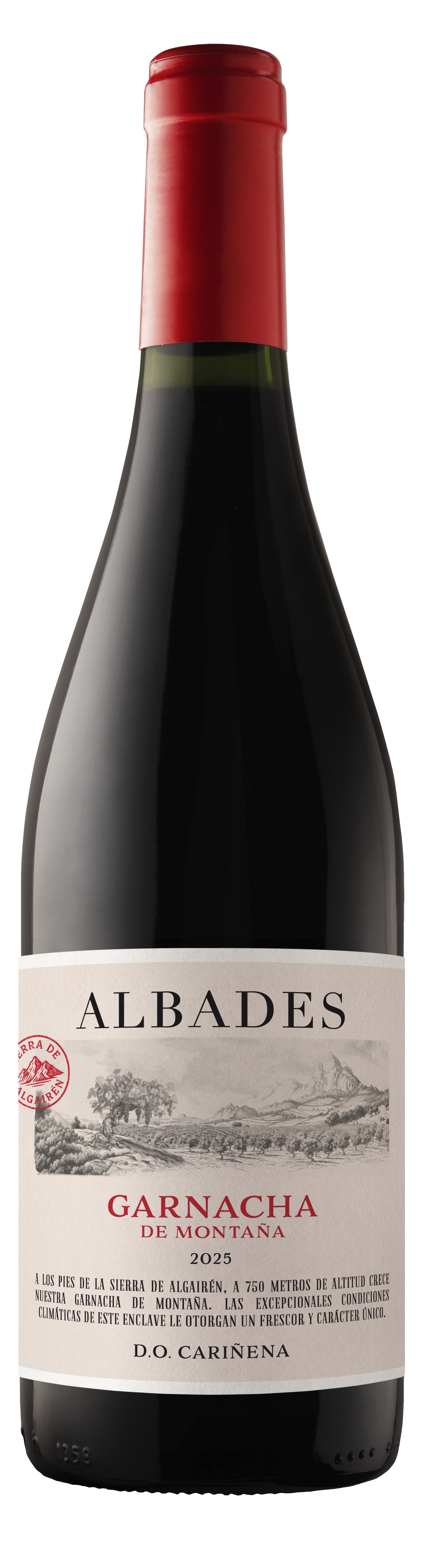
Garnacha de Montaña
DO Cariñena
Red wine
One of Spain’s most historic appellations, where wine is shaped by the harshness of the land. Cariñena is origin, character, and authenticity: wines that reflect the strength of the stony soils where they are born.
Located in Aragón, in the heart of the Ebro Valley, Cariñena PDO is one of the oldest wine regions in Spain, officially established in 1932. Its long winemaking tradition, dating back to ancient times, makes it a historical and cultural benchmark of Spanish wine.
One of the oldest wine appellations in Spain, officially established in 1932
“The Wine of Stones”: vineyards thriving in extreme soils, producing more intense and concentrated grapes.
The cierzo wind bring character, structure, and freshness to the wines.
“The Wine of Stones” captures the essence of Cariñena: a demanding land that results in authentic wines with depth, intensity, and distinctive character.
Cariñena’s landscape is defined by poor, stony, limestone-rich soils where vines are forced to struggle to survive. This environment, together with elevations between 400 and 800 meters, shapes a unique terroir that produces concentrated, intense, and highly aromatic grapes.
The climate is strongly continental, with hot summers, cold winters, and significant temperature differences between day and night. The cierzo, a cold and dry northern wind, helps maintain vineyard health and enhances fruit concentration.
400–800 m
Vineyard altitude shaping freshness and balance in the wines.
1932
The founding year of one of Spain’s oldest appellations.
40°C / -8°C
Temperature extremes that define the region’s continental character.
Cariñena stands out for its wide range of grape varieties. Key reds include Garnacha, Cariñena (Carignan/Mazuelo), Tempranillo, Syrah, and Cabernet Sauvignon, while whites include Macabeo, Garnacha Blanca, and Chardonnay. This diversity allows for a broad spectrum of wine styles and profiles.
Cariñena wines combine tradition and modernity. Historically known for their structure and power, they now also offer fresher, fruit-driven, and more balanced styles, adapted to contemporary tastes while preserving their identity.
Please do not enter this site if you are not of legal age to buy alcohol in your access country